


In the crowded lanes of Dhaka, where rickshaws, tea stalls and mosque loudspeakers compete for attention, one group has long lived both visibly and invisibly at the same time: the hijra people of Bangladesh. Recognised officially as a “third gender” more than a decade ago, hijras remain one of the most marginalised communities in the country, caught between legal recognition, deep-rooted social stigma and fragile forms of survival. For anyone searching online for “Hijra people in Bangladesh,” “third gender Bangladesh,” or “transgender rights Bangladesh,” the story is one of progress on paper and hardship in everyday life.
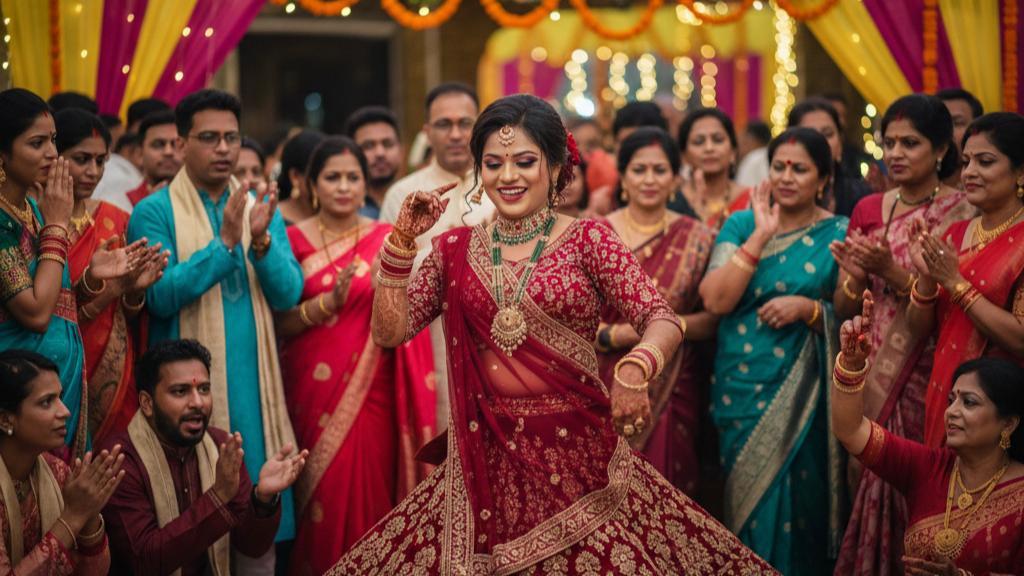
In South Asian societies, hijras are not simply defined by anatomy or sexual orientation. In Bangladesh, the term hijra usually refers to people assigned male at birth who adopt feminine gender roles, as well as some intersex individuals and others who live outside the male–female binary. Many hijras describe themselves as “third gender,” a category known locally as tritiyo lingo (third sex). Their identities are shaped by history, ritual, kinship and performance, rather than Western notions of transgender identity. Hijras are often associated with blessings at weddings or the birth of a child, where they perform hijragiri—singing, clapping and offering prayers in exchange for money—an ambivalent tradition that mixes fear, respect and mockery.
Family rejection is one of the most common starting points of a hijra life. From an early age, many experience bullying, violence or pressure to conform to masculine norms. Once expelled or forced to leave home, they often join hijra households led by a guru (community leader), forming chosen families that provide protection, discipline and belonging. These households function as social safety nets in a society that offers few alternatives. Yet they can also reinforce isolation from mainstream education, employment and housing.
In 2013, Bangladesh made international headlines by officially recognising hijras as a third gender on government documents. National identity cards, voter lists and some public forms now include a third-gender marker. At the time, the move was hailed as a milestone for transgender and gender-diverse rights in South Asia. But more than ten years later, implementation remains inconsistent. Many hijras still hold ID cards listing them as male, because officials refuse to issue new documents unless bodies conform to narrow biological definitions. Without correct paperwork, access to jobs, housing, healthcare and banking remains precarious.
Education is another major fault line. School environments are often hostile, with teachers and classmates mocking gender-nonconforming behaviour. Dropout rates among hijras are extremely high, leaving many with little or no formal education. As a result, most are excluded from the formal labour market. Besides hijragiri, some resort to begging (bhikkha [alms]) or informal work. While the government has announced small welfare schemes and occasional training programmes, these initiatives are limited in scale and rarely lead to stable employment.
Social attitudes remain harsh. Hijras are often described using the word oshikkhito (uneducated) or oshavvo (uncivilised), labels that justify exclusion and abuse. Encounters with police and healthcare providers can be particularly traumatic, marked by harassment or refusal of services. Conservative interpretations of religion and rigid gender norms further deepen discrimination, especially outside major cities.
Yet the hijra community is not only a story of suffering. In recent years, hijra activists, NGOs and community organisations have pushed back, demanding dignity, livelihoods and genuine inclusion. Some hijras have participated in local elections, others have worked with rights groups on HIV prevention, legal literacy and media representation. Younger hijras, especially in urban areas, are increasingly connected through social media, where they challenge stereotypes and claim space in public debates.
The contradiction at the heart of hijra life in Bangladesh is stark. Hijras are simultaneously feared and sought after, recognised and rejected, visible and erased. Legal recognition alone has not dismantled centuries of stigma, but it has opened a narrow door through which demands for equality are growing louder. For Bangladesh, a country proud of its development gains and social progress, the treatment of hijra people remains a crucial test of whether inclusion truly means leaving no one behind.
I’ve met many hijras in my life. On noisy street corners, in cramped NGO offices with flickering fans, backstage at weddings where everyone pretends not to stare, and once, memorably, in a tiny beauty parlour where eyeliner was applied with the seriousness of a peace negotiation. I loved all of them. Not in a romantic way—don’t get excited—but in that deep, auntie way where admiration, anger and protectiveness mix into something fierce.
Hijras are often talked about as symbols. Third gender. Tradition. Stigma. Vulnerability. Resistance. All true, of course. But when you actually sit with them, drink tea with too much sugar, listen to gossip and complaints and big dreams, what strikes you is how painfully ordinary their desires are. Safety. A bit of money. Some respect. A chance to age without terror. And maybe, just maybe, to be seen without being inspected like a curiosity.
I’ve met hijras who were expelled from home at thirteen because they walked “too softly.” Others stayed, endured beatings, and left later when the silence became worse than the blows. Many found refuge with a guru, a chosen family that was strict, loud, loving and sometimes infuriating—exactly like most families, if we’re being honest. The difference is that society pretends hijra families are unnatural while conveniently forgetting how often “normal” families fail their children.
Bangladesh loves to congratulate itself for recognising hijras as a third gender. Clap, clap. Recognition is nice. But recognition without protection is like inviting someone into your house and then refusing them water. Paper rights don’t stop police harassment. ID cards don’t cure school bullying. Official speeches don’t magically turn employers into decent human beings.
And yet—here’s the part that makes me smile—hijras survive with a kind of stubborn elegance. They laugh loudly. They insult each other creatively. They perform joy even when it’s exhausting. I’ve seen hijras comfort each other after beatings, share food when there was barely enough for one, and still show up at weddings to bless strangers who would never defend them in public. That resilience is not weakness. It’s labour. Emotional labour. Social labour. Survival labour.
So yes, I’ve met many. I loved all. And not because they are “brave” or “inspiring” in the way polite society likes its suffering minorities. I loved them because they are sharp, funny, complicated, flawed, ambitious, petty, generous, dramatic, boring, brilliant—utterly, gloriously human.
Dear Bangladesh: hijras don’t need your pity or your folklore. They need safety, dignity, jobs, healthcare and the radical idea that their lives matter even when they’re not entertaining you. And to my hijra sisters: Auntie sees you. Always.